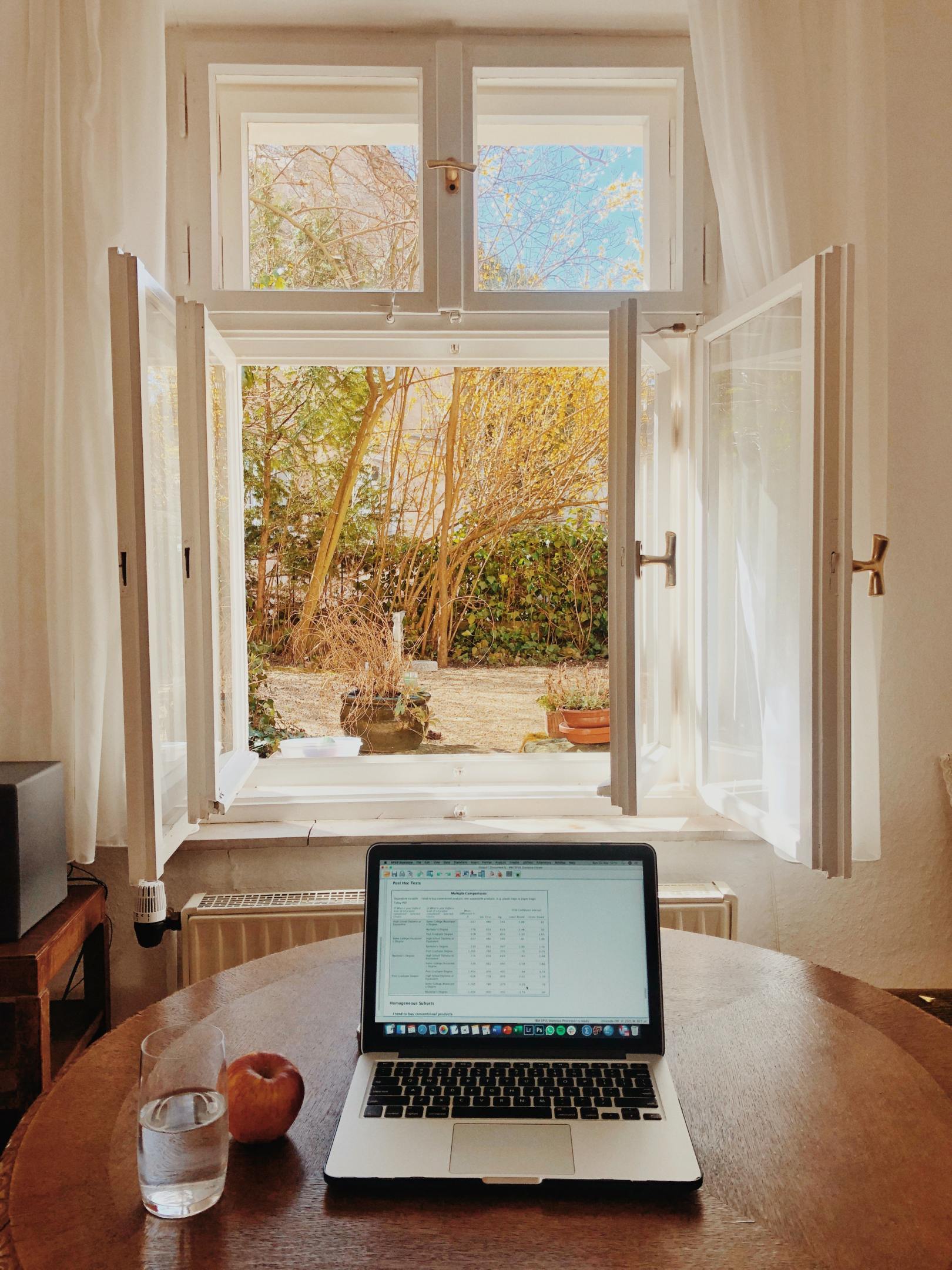
It’s a Wednesday morning in the middle of winter, the windows are frosty, and the air is crisp. The 6:30 am alarm has come and gone, and at 8:30 am, you’ve had just enough time to grab a cup of coffee before the morning check-in. For others, they’ve dropped the kids off at school, swung past the local cafe, and put on a load of washing before checking their emails. For many employees, this flexibility continues to drive a preference for a remote or hybrid working arrangement.
While remote work offers undeniable benefits, the value of face-to-face interaction cannot be understated. In-person interactions are crucial for building trust, resolving conflicts, and fostering strong interpersonal relationships. These interactions often lead to spontaneous exchanges of ideas, which are catalysts for innovation. Now, corporate executives around the world are issuing directives to return to the office on a full-time basis. Generally, businesses have relied on connections as the determining factor for this push; however, most would agree that a lack of oversight and control over performance lies at the core.
In striving to strike a balance, organisations have transitioned to a hybrid working environment. Championed for its potential to offer individuals and organisations the best of both worlds, the hybrid work model promises to enhance productivity, work-life balance, and career progression while fostering innovation and employee well-being. However, beneath its veneer of promise, lie intricate challenges that demand a nuanced examination of its true value.
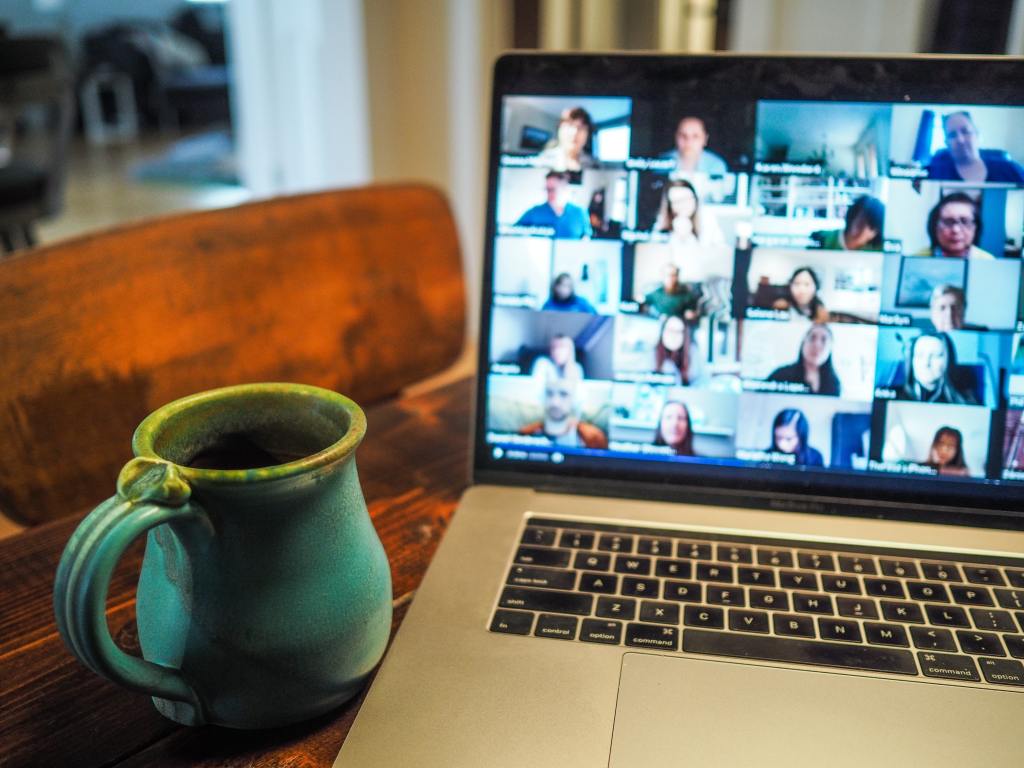
According to a study by Stanford University, remote workers were 13% more productive than their in-office counterparts, but there is a point of diminishing returns beyond 15 hours of remote work per week. A PwC survey indicated that 55% of remote workers felt that working remotely could hinder their career progress. This suggests that a balance between remote and in-office work might be crucial for visibility, networking, and career advancement.
A hybrid model can yield substantial cost savings for organisations by reducing office space requirements, utilities, and overhead costs. Global Workplace Analytics estimates that a typical employer can save $11,000 per year for every remote worker who spends half their time working remotely.
As the professional landscape continues to evolve, the rise of the hybrid work model offers employees newfound flexibility. Individuals must adopt strategies that blend discipline, communication, and self-care. Creating a balanced hybrid work environment becomes crucial for maximising productivity, focus, and overall well-being.
Set Clear Boundaries
In the dynamic landscape of hybrid work environments, establishing clear boundaries emerges as a pivotal practice to ensure a harmonious integration of professional and personal spheres. Boundaries are not barriers; they are the framework by which we define how we work and are essential in the ‘always-on’ nature of modern work environments.
By delineating distinct work hours, physical spaces for tasks, and designated periods for relaxation, we prevent the encroachment of work into personal time and vice versa. Boundaries not only safeguard against burnout but also foster greater work-life balance, enabling us to bring our best selves to both spheres. As hybrid work blurs the lines between the traditional office and remote settings, this practice stands as a guiding principle to navigate the nuances of contemporary work arrangements and safeguard well-being.
Design Your Home Workspace
According to organisational psychologist Dr. Libby Sander, “A dedicated space signals to your brain that it’s time to focus and be productive.” Choose a location that provides privacy and minimal distractions, considering factors like natural lighting and a quiet atmosphere. To declutter and organise, productivity expert Marie Kondo suggests, “Keep only the items that spark joy and serve a purpose in your workspace.” This approach helps create an organized environment that promotes clarity and reduces distractions.

Ergonomics plays a vital role in promoting comfort and productivity. Dr. Alan Hedge, a professor of ergonomics, advises, “Invest in a chair that supports the natural curve of your spine and an adjustable desk that allows for sitting and standing positions.” Ergonomic keyboards and mice can also alleviate strain on your wrists (Hedge, 2022).
Dual monitors or a large display can significantly enhance productivity. Productivity researcher Gloria Mark recommends this setup, stating that it “reduces the need to constantly switch between applications and enhances information access” (Mark, 2019).Although remote, build and maintain strong professional relationships. Regularly connect with colleagues through virtual coffee breaks, team-building activities, and one-on-one video calls to foster a sense of camaraderie.

To ensure comfort during work hours, consider incorporating elements that enhance your well-being. Interior designer Emily Henderson suggests, “Invest in a comfortable chair cushion or a footrest to promote good posture and reduce fatigue.” Adjustable lighting options can also create a warm and inviting ambiance.
Over Communicate and Nurture Relationships
In a hybrid setup, communication becomes paramount. Over communicate your availability, work progress, and challenges. Regularly update your team on your tasks and projects to maintain transparency and accountability. Although remote, build and maintain strong professional relationships. Regularly connect with colleagues through virtual coffee breaks, team-building activities, and one-on-one video calls to foster a sense of camaraderie.
Networking transcends physical confines, enabling individuals to bridge geographical gaps and connect with professionals across the globe. According to research by Casciaro and Lobo (2008), effective networking contributes to information sharing, resource access, and idea dissemination, all of which are pivotal in driving innovation and career advancement. Moreover, in a hybrid setting, where face-to-face interactions might be limited, maintaining a robust online presence and actively participating in virtual networking events can significantly impact visibility and opportunities.

Maintaining relationships with acquaintances and individuals outside one’s immediate work domain can yield fresh insights, unexpected collaborations, and a broader range of potential career paths. A survey conducted by LinkedIn (2021), 80% of professionals consider networking crucial for career progression, while 70% of respondents to a Glassdoor survey (2023) highlighted that networking played a pivotal role in advancing their careers.. This underscores the reality that even in a remote or hybrid setting, fostering connections remains integral to staying informed about industry trends, tapping into hidden job markets, and accessing mentorship opportunities. By strategically utilizing both virtual platforms and in-person events, professionals can leverage networking as a dynamic tool for staying relevant, capitalising on emerging prospects, and nurturing their career growth in the hybrid landscape.
The hybrid work model holds immense potential to reshape work norms and revolutionise how individuals and organisations operate. Its viability rests on finding the right equilibrium between remote work’s flexibility and the office’s collaboration benefits. As we navigate this adjustment, we must consider our needs and invest in communication to ensure that the hybrid work paradigm is career enhancing. .Crafting an ideal work-from-home environment is vital for productivity and overall well-being.

 CommonTom