

Redundancies suck. There is no way around it, it’s an unfortunate element of the corporate world. Whether it’s something you saw coming or news that knocked you on your arse, this dreaded tap on the shoulder is a tough moment. Businesses around the country are restructuring as we speak, mass redundancies are commonplace and in many instances, COVID-19 has been used as an excuse for organisational redesign. It’s a tough pill to swallow, but in the battle between employee and employer, the odds are heavily weighed against us.
As someone who’s had a bit of practice at this over the journey, I thought I’d reflect on what the elements I’ve found challenging and some strategies I’ve used to bounce back when all looks lost.
Acknowledge your feelings.
It’s ok to feel angry. Whatever you feel at the moment is justified – but before you act on any of these feelings it’s important to stop and breath. Don’t brush aside these feelings, dealing with them now is going to be much better for you in the long term. I really struggled with being furloughed (and ultimately let go), it’s not an easy pill to swallow and it feels like shit – it’s essentially a breakup and you were dumped. I was angry with my manager, the CEO and the organisation – my performance reviews were glowing and I’d been in conversations with my CEO about leadership growth and career progression. And now I was jobless – how could this not be personal?
I’ve found it helpful to write down my thoughts. As someone who is prone to internalising thoughts and some fairly significant self-criticism, I’ve found writing (or keeping a journal, if you will) has been a great way to get the cyclical thoughts out of my head and out into the world. I don’t put a structure around my writing, but if you’re someone who needs a guided session, The Resilience Project provide some fantastic tools to get you into the habit, while the team at Patient provide great tools to deal with the the mental side of redundancy.
Take Time To Process The Situation.
I was angry and I wanted to let the world know. Thankfully, I was supported by a great group of people who encouraged me to take time to process my thoughts and consider the potential repercussions of any pubic outburst. While my feelings are justified, the behaviour I was seeking wasn’t – whether I liked it or not, now isn’t the time to do further damage to your reputation.
You’re not going to bounce back straight away and that’s ok. But, you’re also not going to move forward if you’re stuck in the angry phase. It’s helping to find time to acknowledge that what you’re going through is a big thing and rebounding is going to take time. Although it’s difficult, pausing before you fire off that abusive email to recognise you’re going through a tough time can help bring perspective to the situation.

Personally, I felt a huge loss of identity and a rather large dent to my self-confidence. It took some time to understand that the decision doesn’t define me. I’m worth more than the title of my role, my life is more than the technical skills I bring to a workplace. Coming to terms with this and knowing that what’s occurred doesn’t define me has been huge for my mental health and building a positive mindset to move forward.
If you or someone you know is struggling with mental health and needs support contact Lifeline on 131 114 or Beyond Blue on 1800 512 348.
Reassess where you want your career to take you.
One of the hidden gems of a redundancy is the amazing opportunity it presents for us to reassess our career trajectory. At this point, there is nothing holding you back from chasing your dreams. Perhaps you’ve been wanting to study, start a business or get a trade – now is the time to review everything. I’m a list maker, so I’ve found it useful to write down all of the things I like doing. My approach has been a strengths based approach to see the value I bring, so that I can capitalise on strengths rather than focusing on negative characteristics.
Getting feedback from some trusted others can be really helpful if you’re struggling with this step.
Get your CV In Order.
This is a shit job. I hate writing about myself, and in a moment of severe self-doubt and sorrow, writing about what I’ve achieved and why I should be hired isn’t something I’m keen to jump into. And it might take a while before you feel up to pulling together your CV – that’s ok. When you’re feeling up to it, it’s a good idea to tackle this in small, manageable bursts.
There are plenty of posts on how to write a great resume out there, spend some time researching the style that suits you best. Remember those notes about your strengths, find opportunities to build these into your CV at different points – if you need some help building your resume, check out my post about how I built mine.

Build your Cover Letter Template.
Another shitty job. I’ve found you can get away with a relatively standard CV template that can be reused across multiple job applications, but your cover letter needs to be unique to each job – but that doesn’t mean you can give yourself a leg up by using a consistent template. Get yourself a standard layout, and start building out some of your key sentences and paragraphs that you might use over multiple applications. This about the big achievement, your previous study, leadership style or just they key elements that make you unique and start writing about them.
For me, having these pre-determined elements allows me to pull together my cover letters much quicker when I’ve found a job I want to apply for. Sure, I’ve still got to change the flow of the document, but for me, it’s much easier than starting from scratch every time!
Leverage your Network.
One of the most powerful tools we have at our disposal during this period is our professional network. My network has been instrumental in providing me with the resources, energy and motivation to keep moving forward. Whether that be in phone calls, email exchanges or zoom calls, I’ve found people an immense source of comfort. I’ve had people invite me to present on industry panels, provide feedback and positive reinforcement, or even just some distraction from the monotony of job applications.

Not only can you get valuable advice from your network, the act of connecting with colleagues is a great way to unlock endorphins – providing a great boost of happiness and energy that you might have been looking for. My personal preference is an email followed by a zoom call, but that’s obviously dependent on your relationship. Get out the virtual rolodex and start connecting – I can promise you won’t be disappointed!
Keep Your Spirits Up
The job hunt is a tough process – rejections galore are a kick in the teeth after you’re already been felled by the redundancy, right? It’s hard and demoralising – but don’t let it get the better of you. Find the elements that keep you engaged – get out for a run, jump on a zoom call with your mates or get on the couch and lock in to a session of gaming. Whatever clears your mind, do it – and most importantly, don’t feel guilty for doing so.
Perspective is important. Finding employment during COVID-19 is going to be a long, slow journey. And that’s ok, don’t stop the journey because the mountain is steep. In this metaphor, to put one foot in front of the other is to make a start on that next job application, or spend 20 minutes searching for a role that appeals to you.
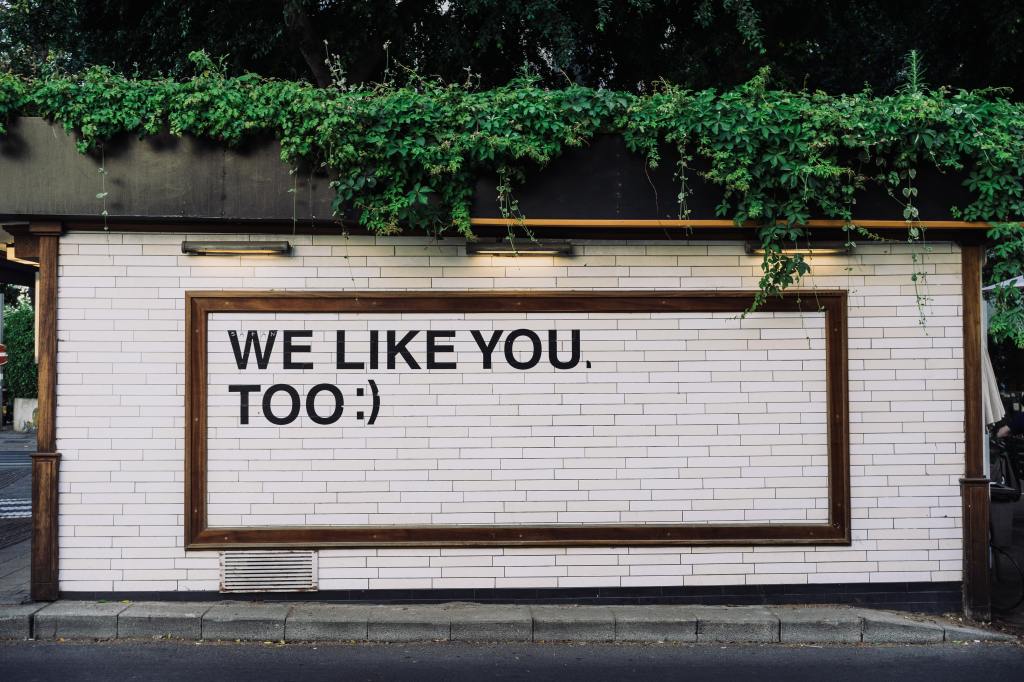
And remember, people love you not for what you do but for who you are – invest you time where it counts, with those who love you!



Disclaimer
CommonTom may, from time to time, post promotional links and affiliated products from which the owner of CommonTom may receive compensation. Should you click on an affiliate link and/or purchase a product or service that was recommended by CommonTom, it is understood that some form of compensation might be made to the owner of CommonTom.

 CommonTom